
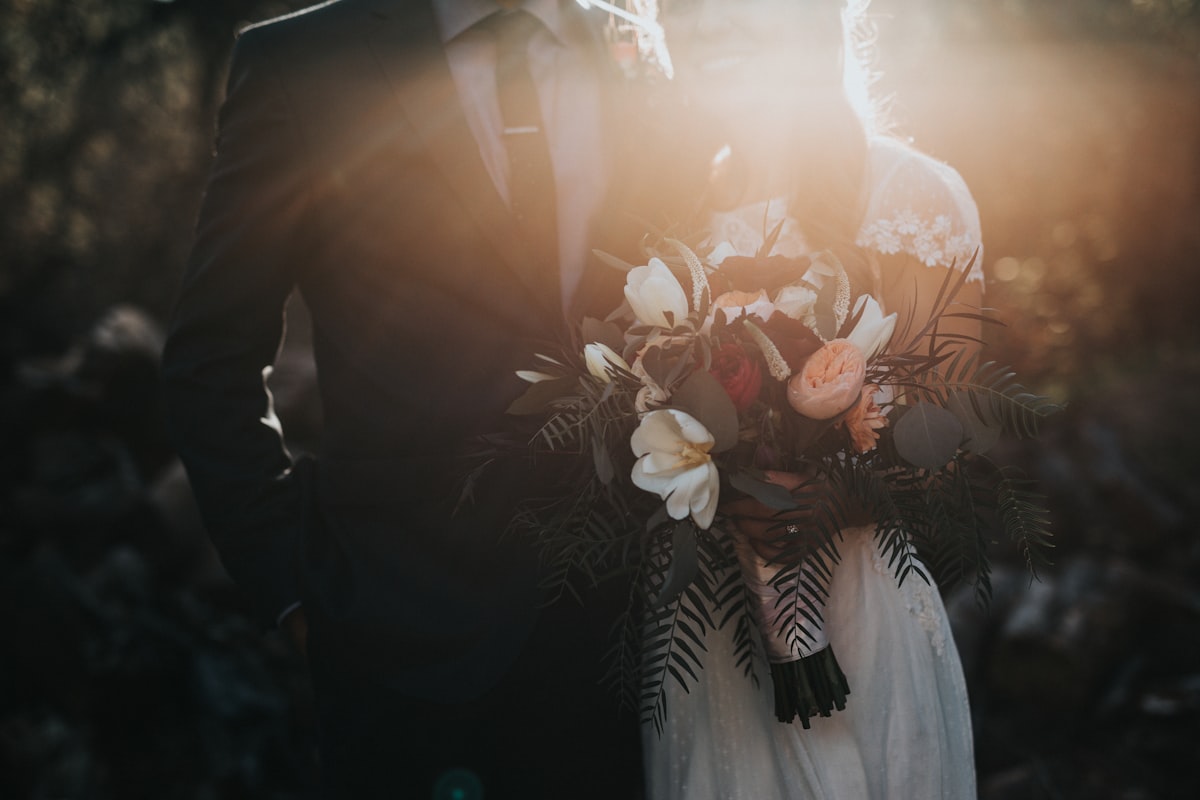
The average American wedding costs over $30,000, according to The Knot’s annual Real Weddings Study — the largest survey of wedding spending in the US. The average American couple saves for it for years, goes into debt for it, and pays it off for years afterward. None of this is necessary. Here is exactly how to save money on a wedding — without producing a wedding that feels cheap, rushed, or less meaningful than you wanted.
The strategies below are ranked by impact. The ones at the top save the most money. The ones at the bottom are refinements. Start at the top.
The Real Wedding Budget Breakdown — Where the Money Actually Goes
Before cutting costs strategically, it helps to know where wedding money goes. The average breakdown on a $30,000 wedding:
- Venue: $6,000–10,000 (20–33%)
- Catering: $6,000–9,000 (20–30%)
- Photography/videography: $3,000–6,000 (10–20%)
- Music/DJ: $1,500–3,000 (5–10%)
- Flowers/décor: $2,000–5,000 (7–17%)
- Dress and attire: $1,500–3,500 (5–12%)
- Cake: $500–1,500 (2–5%)
- Invitations/stationery: $300–800 (1–3%)
- Everything else: $2,000–5,000 (7–17%)
Venue and catering together represent 40–60% of total cost. This is where the real money is. Every other category is secondary.
1. Set a Hard Budget Before You Do Anything Else
Before visiting a single venue, meeting a single vendor, or looking at a single dress, decide the maximum you will spend. Write it down. Make it a number you can afford without debt. This number is non-negotiable — every subsequent decision gets measured against it.
Every couple that significantly overspends on a wedding starts planning before they set a firm limit. The excitement of planning creates spending momentum that is almost impossible to reverse once started. Set the budget first. Plan within it.
2. Cut the Guest List — This Is the Highest-Impact Decision You’ll Make
Every guest you add costs $150–$350 in catering, venue capacity, invitations, favors, and cake. Every guest you remove saves that same amount. Cutting 30 guests from a 150-person wedding saves $4,500–$10,500. Nothing else you do will approach this level of savings.
The guest list is also the most emotionally difficult cut because it involves people. But consider: most couples report that their favorite moments from their wedding involved their closest people — not the full room. A tighter guest list often produces a better wedding experience, not a lesser one.
3. Choose a Non-Saturday Date
Saturday evening is peak demand for every wedding vendor. Venues, caterers, photographers, florists, and DJs all charge peak pricing on Saturdays — because that’s when everyone wants to get married. Friday evenings, Sunday afternoons, and weekday weddings cost 20–40% less for identical vendors with identical quality. A Sunday wedding at the same venue with the same catering company saves $3,000–$8,000 on the average budget.
4. Choose a Non-Traditional Venue
Dedicated wedding venues exist to make money from weddings — and they price accordingly. Consider instead: public parks and botanical gardens (often $500–2,000 permit fees), art galleries and museums with event space, restaurants with private dining rooms, local wineries and breweries, family or friend property, historic buildings, community halls and clubhouses.
Many non-traditional venues offer more visual interest and character than generic wedding halls at 30–70% lower cost. They also typically allow outside catering, which removes one of the biggest cost constraints.
5. Consider a Micro Wedding (20–50 Guests)
Micro weddings have moved from niche to mainstream. A 30-person wedding can be executed beautifully for $5,000–$12,000 — total. The experience is more intimate, more personal, and logistically simpler. Many couples who chose micro weddings report that the smaller scale produced a better event than a larger wedding would have.
A micro wedding also allows you to upgrade individual elements — better food, a more experienced photographer, a more interesting venue — while spending far less overall.
6. Choose a Brunch or Lunch Reception
Evening dinner receptions with open bars cost $80–$200 per person. Lunch receptions cost $40–$80 per person. Brunch weddings cost $30–$60 per person. A brunch wedding for 80 guests saves $4,000–$11,200 compared to an evening dinner for the same number of people. The food is still excellent. The celebration is equally meaningful. The time of day is the only difference — and the price.
7. Hire Emerging Photographers
Established wedding photographers charge $3,000–$8,000. Talented photographers actively building their wedding portfolio charge $800–$2,000. The quality difference is often imperceptible in the final photos — what you’re paying for with an established photographer is their brand, not their technical skill. Review portfolios carefully, check at least three references, and meet in person before booking. Budget: $1,000–$1,500 for excellent results.
8. Simplify and DIY the Flowers
Professional wedding florals are heavily marked up. A centerpiece that costs $150 from a wedding florist costs $40–$60 in materials from a wholesale flower market. Consider: buying flowers wholesale from Costco or local markets, using greenery and candles as the primary décor with flowers as accents, limiting bouquets to the bridal party only, using potted plants that guests can take home as favors. Savings: $1,500–$3,500 on a typical floral budget.
9. Replace the Open Bar Strategically
A full open bar for a 100-person wedding costs $2,000–$5,000. Alternatives that still create a festive atmosphere: beer and wine only ($800–$1,500 for 100 guests), a signature cocktail plus beer and wine ($1,200–$2,000), BYOB if your venue permits, or a dry wedding if culturally appropriate. Beer and wine only is by far the most socially accepted reduction — most guests genuinely don’t notice or care.
10. Use a Playlist Instead of a DJ
DJs charge $1,000–$3,000. A carefully curated Spotify playlist through a rented sound system with one designated friend managing music and announcements costs $150–$400 total. For weddings under 80 people in a non-ballroom setting, this works extremely well. For larger weddings where you want an MC managing the evening, a DJ is worth the cost. But for intimate celebrations, the playlist approach is indistinguishable from a professional DJ to most guests.
11. Buy or Rent the Dress Secondhand
Wedding dresses are worn once. Platforms like StillWhite, PreOwnedWeddingDresses, Nearly Newlywed, and Borrowing Magnolia list worn-once dresses at 50–80% below retail. A $2,000 dress sells for $400–$800 secondhand. Rental services like Rent the Runway offer designer dresses for $100–$300. The difference in photos between a new and secondhand dress is zero.
12. Skip the Tiered Wedding Cake
A tiered wedding cake costs $400–$1,500. A small cutting cake (for the ceremonial first slice) plus sheet cake served to guests from the kitchen costs $150–$400 and is indistinguishable to guests. Cupcake towers, donut walls, dessert bars, and cheese cake towers are all cheaper and increasingly popular alternatives that photograph beautifully.
13. DIY Invitations and Stationery
Printed wedding invitations cost $300–$800. Digital invitations via Paperless Post or Zola cost $0–$50. Canva allows professional-looking printed invitations for $50–$150 in printing costs. For a casual or modern wedding, digital invitations are completely acceptable and increasingly common. Savings: $250–$650.
14. Beware the Wedding Tax
The “wedding tax” — the premium vendors charge when they know it’s a wedding — is real and documented. The same venue quoted at $1,500 for a “corporate event” may quote $3,500 for a “wedding reception.” Some couples request quotes for events before revealing it’s a wedding to establish a baseline. At minimum, be aware that every wedding vendor knows you’re emotionally invested and prices accordingly. Negotiate every contract.
15. Remember the Point
The elements that create lasting wedding memories — genuine emotion, meaningful vows, people who love you in the same room — cost nothing. Every couple who overspent on a wedding reports that the expensive elements weren’t what they remembered most. Starting a marriage without debt is one of the best gifts you can give yourselves.
Real Wedding Budget Examples by Guest Count
20 guests (micro wedding): Venue $500, catering $2,000, photography $1,000, flowers $300, dress $400, misc $300. Total: ~$4,500
50 guests (intimate wedding): Venue $1,500, catering $5,000, photography $1,500, music $400, flowers $800, dress $600, cake $300, misc $900. Total: ~$11,000
100 guests (mid-size wedding): Venue $3,000, catering $10,000, photography $2,500, DJ $1,500, flowers $2,000, dress $1,000, cake $600, invitations $300, misc $1,600. Total: ~$22,500
Frequently Asked Questions
What is a reasonable budget for a wedding in 2026?
A reasonable wedding budget is whatever you can fund without debt. A common guideline is 10–15% of combined annual income — for a couple earning $80,000 together, that’s $8,000–$12,000. With smart planning this produces a genuinely beautiful wedding. Many couples execute excellent weddings for $5,000–$15,000 by prioritizing the guest experience over visual impressiveness.
What is the most expensive part of a wedding?
Venue and catering combined account for 40–60% of average wedding costs. These two categories are where the biggest savings are available — through non-traditional venues, off-peak dates, lunch or brunch receptions, reduced guest lists, and limiting the bar. Every other budget category is secondary in impact.
How do I save money on a wedding without it looking cheap?
Spend where guests notice — food quality, personal touches, and atmosphere — and reduce spending where they don’t. Guests remember whether the food was good and whether they felt welcomed. They don’t remember which flowers were on the tables or whether the cake was tiered. A smaller, intimate wedding with excellent food consistently outperforms a large, expensive wedding with generic catering in guest satisfaction.
How can I save money on wedding catering?
Choose a venue that allows outside catering (avoiding in-house catering monopolies that charge $150+ per person). Choose lunch or brunch over dinner. Limit the bar to beer and wine only. Reduce the guest count — this is the highest-impact catering decision. Consider food stations instead of plated dinners, which typically cost less and create more social energy. Ask caterers about their minimum guest count and off-peak discounts.
How much does a wedding photographer cost and can I save on it?
Established wedding photographers charge $3,000–$8,000. Emerging photographers building their portfolios charge $800–$2,000. To save: search for photographers in their second or third year of shooting weddings, review full gallery samples (not just highlight reels), check references specifically about reliability and final delivery timeline, and meet in person before booking. Many couples who hired emerging photographers are indistinguishable from those who spent three times as much.
What are the easiest ways to cut wedding costs?
The fastest savings with least emotional difficulty: choose a non-Saturday date (saves 20–40% on most vendors), use a Spotify playlist instead of a DJ (saves $700–$2,700), buy the dress secondhand (saves $500–$1,500), use digital invitations (saves $300–$700), and replace the tiered cake with a cutting cake plus sheet cake (saves $300–$1,100). These five changes alone can save $1,800–$6,500 with minimal impact on the wedding experience.
Related Articles
- How to Build an Emergency Fund From Scratch
- How to Pay Off Debt Fast: 8 Proven Strategies That Work
- How to Create a Monthly Budget That Actually Works
- The Envelope Method Almost Ruined My Marriage (Then Saved Our Finances)
- The 50/30/20 Rule: The Simplest Budgeting Method That Actually Works
Educational content, not financial advice. This article is general information drawn from personal experience and public sources. It is not personalised financial, tax, or legal advice, and I am not a licensed financial professional. Figures tied to a specific year can change — check the primary source before acting on one. Full terms are on the Disclaimer page.