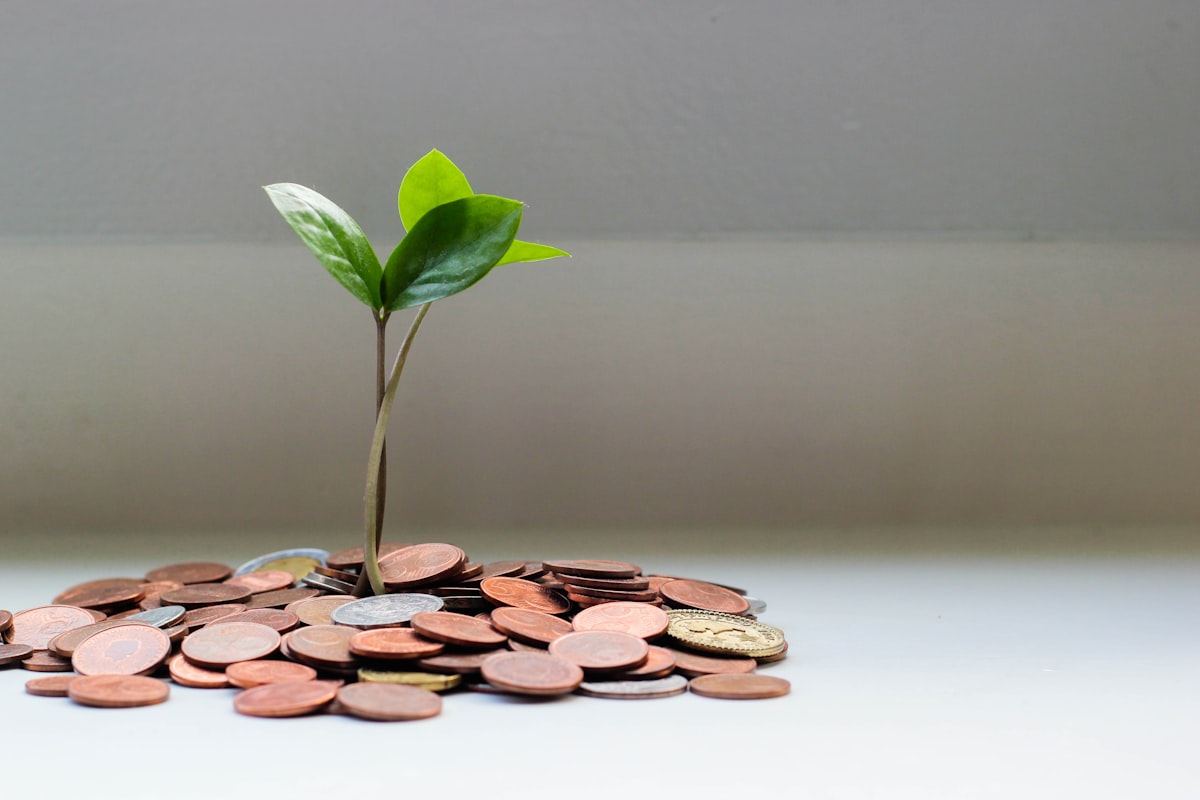

A high yield savings account is one of the most overlooked tools in personal finance — and the gap it closes is larger than most people realize. Millions of people keep their savings at the same bank as their checking account simply because it’s convenient. That convenience quietly costs hundreds of dollars a year in interest never earned.
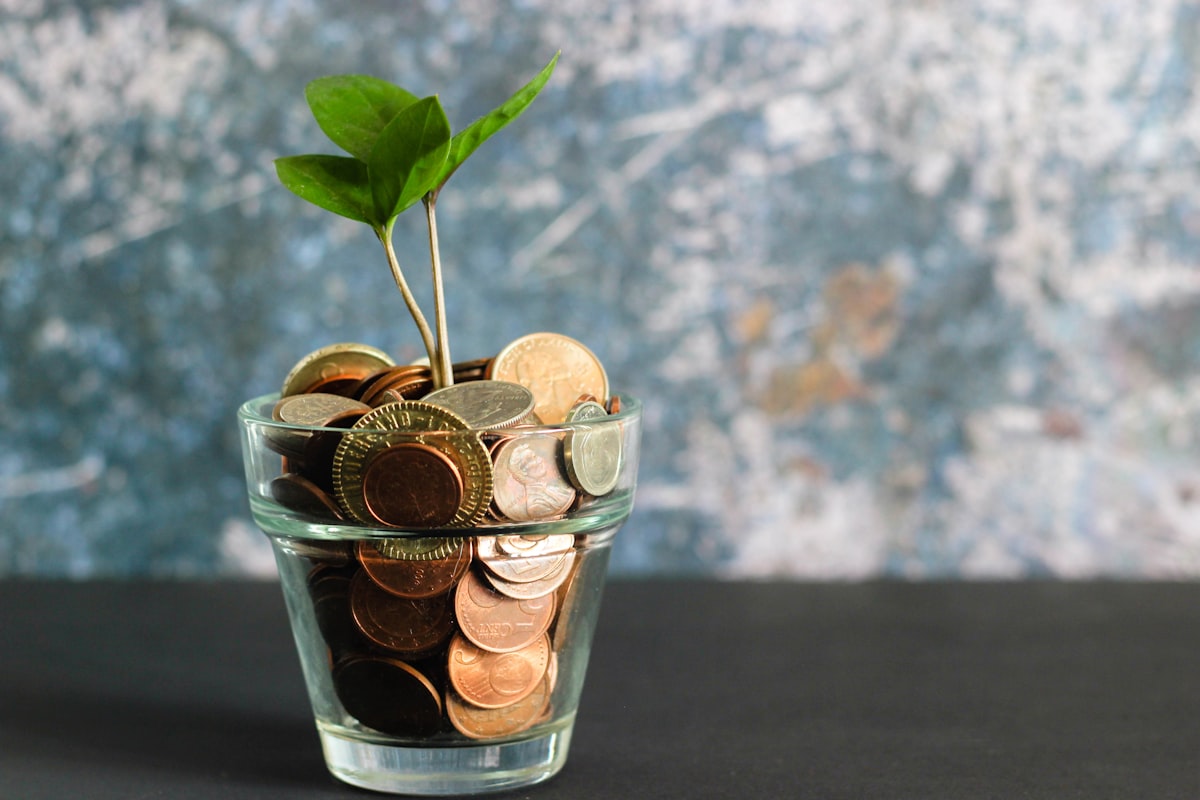
The Standard Savings Account Problem
Traditional savings accounts at major banks currently pay 0.01% to 0.10% annual interest. On a $10,000 balance, that’s $1 to $10 per year. The average inflation rate over time is 2 to 3 percent annually — meaning savings held this way lose real purchasing power every year while earning almost nothing.
What Is a High Yield Savings Account?
A high yield savings account is a savings account that pays a significantly higher interest rate than traditional banks. In 2026, competitive accounts pay 4.0% to 5.0% APY. On a $10,000 balance, the difference is $400 to $500 per year versus $1 to $10 per year. All deposits are FDIC-insured up to $250,000 — the FDIC confirms that insured deposits have never been lost in the history of the program.
Why Are These Rates So Much Better?
Online banks have dramatically lower overhead than traditional banks — no branch networks, smaller staff, less physical infrastructure. They pass these savings on in the form of higher interest rates. The deposits are equally safe but the returns are dramatically better.
The Best High Yield Savings Accounts in 2026
Ally Bank: Consistently competitive rates, no minimum balance, no monthly fees. One of the most trusted names in online banking.
Marcus by Goldman Sachs: High rates, no fees, no minimum balance, institutional credibility.
SoFi: Competitive rates with additional benefits for members who direct deposit.
Discover Online Savings: No fees, no minimums, strong rates, strong customer service reputation.
UFB Direct: Frequently offers some of the highest rates available for purely digital banking.

What to Use a High Yield Savings Account For
An emergency fund is the most obvious use — 3 to 6 months of expenses, earning $150 to $600 per year while remaining accessible. Short-term savings goals (house down payment, car, vacation fund) also belong here. Money that might be needed within the next 1 to 3 years shouldn’t be in the stock market due to the risk of a downturn arriving right when the funds are needed.
What It’s Not For
Long-term wealth building. Even a 5% savings rate is significantly lower than historical stock market returns of 7 to 10% over long periods. Money not needed for five or more years should be invested, not sitting in savings.
Traditional vs. High Yield: The Numbers Side by Side
The gap is easier to understand laid out directly. Here is what the same balance earns in one year at each type of account, based on typical 2026 rates:
| Balance | Traditional (0.05% APY) | High Yield (4.5% APY) | Extra Per Year |
|---|---|---|---|
| $1,000 | $0.50 | $45 | +$44.50 |
| $5,000 | $2.50 | $225 | +$222.50 |
| $10,000 | $5 | $450 | +$445 |
| $25,000 | $12.50 | $1,125 | +$1,112.50 |
How to Open a High Yield Savings Account in 15 Minutes
Switching is far simpler than most people expect. Closing existing accounts isn’t required — this just adds a better place to park savings. Here is the exact process:
- Compare current rates. APYs move over time, so check the live rate before choosing. Any of the banks listed above is a safe starting point.
- Confirm it is FDIC-insured. Look for the FDIC certificate number on the bank’s site. Every reputable online bank displays it.
- Apply online. This requires a Social Security number, a government ID, and existing bank details to link an account — about five minutes total.
- Link a checking account. The new bank verifies ownership with two small test deposits, usually within one to two business days.
- Set up an automatic transfer. Move a fixed amount — even $50 — on every payday so the balance grows without ongoing effort.
A Real Example: What This Looks Like Over Time
Take a $15,000 emergency fund. In a traditional account at 0.05% APY, it earns about $7.50 a year. In a high yield account at 4.5% APY, it earns roughly $675 in the first year — and because interest compounds, the balance keeps building on itself. Over five years, that’s the difference between earning around $40 and earning more than $3,600, all on money that was already being saved. Nothing about the budget changes. The only thing that changes is where the money sits.
Common Mistakes People Make
Chasing the absolute highest rate every month. A 0.1% difference on a $10,000 balance is $10 a year. It’s not worth opening a new account constantly. Pick a reputable bank with a consistently competitive rate and stay put.
Keeping too much in checking. Any money beyond monthly bills and a small buffer earns nothing sitting in checking. Move the rest to the high yield account.
Confusing it with investing. A high yield account protects and grows short-term cash. It’s not a wealth-building engine — that’s what a Roth IRA or brokerage account is for.
Never automating. Manual transfers rely on willpower. A recurring automatic transfer is what actually builds the balance.
Frequently Asked Questions
Are high yield savings accounts safe?
Yes — FDIC-insured up to $250,000 per depositor per institution. The money is exactly as safe as in a traditional bank. The FDIC has never failed to protect an insured depositor.
Can I lose money in a high yield savings account?
No, not in nominal terms. The balance cannot decrease below what was deposited plus interest. The only risk is that the variable rate may drop over time — but it almost always remains significantly higher than traditional bank rates.
How quickly can I access money in a high yield savings account?
Most transfers complete within 1 to 3 business days. Keeping a small buffer in checking covers immediate needs — the high yield account is for money not needed same-day.
Should I keep all my savings in a high yield account?
Money needed within 1 to 3 years belongs here. Money not needed for 5+ years should be invested for higher long-term returns. A common setup: emergency fund and short-term goals in a high yield account; long-term money in a Roth IRA or brokerage account.
Related Articles
- How to Build an Emergency Fund From Scratch
- HYSA vs CD: Which One Should Hold Your Savings?
- How to Start Investing With $100 (Beginner’s Guide 2026)
- The 50/30/20 Rule: The Simplest Budgeting Method
- How to Create a Monthly Budget That Actually Works
Educational content, not financial advice. This article is general information drawn from personal experience and public sources. It is not personalised financial, tax, or legal advice, and I am not a licensed financial professional. Figures tied to a specific year can change — check the primary source before acting on one. Full terms are on the Disclaimer page.