

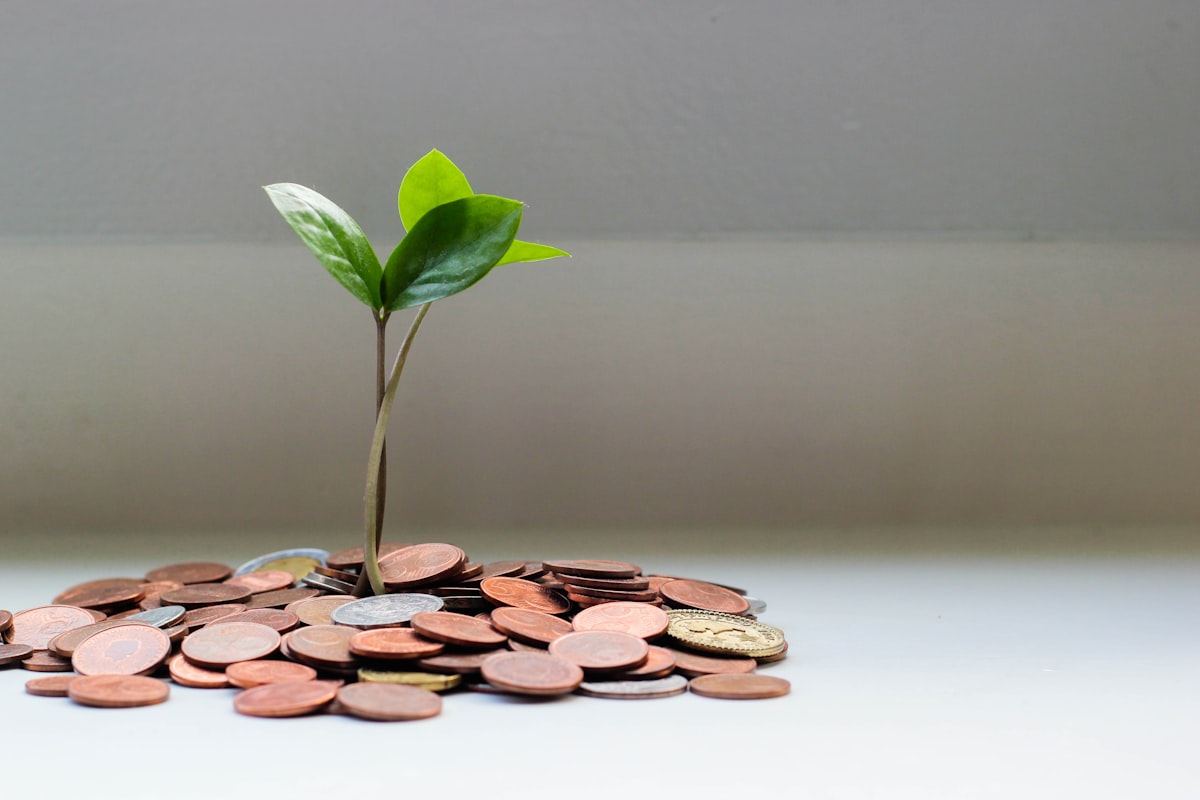
For most of my twenties my emergency fund was a credit card, and I told myself that counted. Then a $600 dental bill arrived in a month I had already spent, and I learned what the difference costs in interest. The Federal Reserve puts the number of adults who could absorb a $400 surprise at 63% — which means roughly one in three could not. This is how you get on the right side of that line starting from nothing.

Why You Need an Emergency Fund Before Anything Else
Without an emergency fund, every unexpected expense becomes a financial crisis. Car breaks down? Credit card. Medical bill? Credit card. Lose a client? Credit card. Each one adds debt that takes months or years to repay, and the cycle repeats with the next emergency. The emergency fund breaks this cycle permanently.
According to the Federal Reserve’s Survey of Household Economics, nearly 37% of Americans couldn’t cover a $400 emergency expense from savings. An emergency fund puts you in the majority that can.
How Much Should Your Emergency Fund Be?
The standard recommendation is 3 to 6 months of essential living expenses. For a single person spending $2,500 per month on essentials, that’s $7,500 to $15,000. For a family of four with $5,000 in monthly essential expenses, it’s $15,000 to $30,000.
But don’t let the full target paralyze you. Start with $1,000. That single amount covers the vast majority of common financial emergencies — car repairs, medical copays, appliance replacement — and is achievable in 1 to 3 months for most people.
Step 1: Open a Separate Savings Account
Your emergency fund needs to be in a separate account from your checking. If it’s in the same account as your day-to-day spending, it will be spent on non-emergencies. Open a high-yield savings account specifically for this fund — you’ll earn 4 to 5% interest while keeping the money accessible.
Step 2: Set a Specific First Target
Your target is $1,000 first. Not 3 months of expenses — $1,000. This achievable first milestone creates momentum and covers most real-world emergencies. Once you hit $1,000, set the next target: one month of expenses. Then build from there.
Step 3: Automate the Savings
Set up an automatic transfer from your checking account to your emergency fund on payday — before you see the money or have a chance to spend it. Even $25 or $50 per paycheck builds the fund without requiring willpower or remembering to transfer it manually.
Step 4: Find Extra Money to Accelerate
Cancel one subscription, pack lunch for two weeks, or sell one unused item. Direct that money entirely to the emergency fund. A single $200 side hustle session gets you 20% of the way to $1,000 immediately. Small accelerations matter when the first target is this close.

Step 5: Direct All Windfalls to the Fund
Tax refunds, work bonuses, birthday money, and any unexpected income go directly to the emergency fund until you hit your target. Windfalls are the fastest way to close the gap — a $1,200 tax refund might fully fund your first $1,000 target in one deposit.
Step 6: Define What “Emergency” Actually Means
An emergency fund is for genuine emergencies: job loss, medical bills, essential car repairs, home repairs that affect habitability, sudden travel for family crisis. It is not for sales, vacations, holiday spending, or non-urgent wants. Write your personal emergency definition before you need it — when you’re stressed is not the time to decide.
Step 7: Rebuild After Every Use
When you use your emergency fund for an actual emergency, rebuilding it immediately becomes your next financial priority — before extra debt payments, before investing more, before anything discretionary. The fund only works if it stays funded.
Frequently Asked Questions
How long does it take to build a 3-month emergency fund?
For a person spending $3,000 per month on essentials who saves $300 per month toward their emergency fund, reaching $9,000 takes 30 months. Accelerating with windfalls, temporary spending cuts, or side hustle income reduces this significantly. Most people reach their initial $1,000 target within 1 to 3 months.
Should my emergency fund be in a high yield savings account?
Yes — a high yield savings account is the ideal home for an emergency fund. It earns 4 to 5% APY versus 0.01% at a traditional bank, remains fully accessible within 1 to 3 business days, and is FDIC-insured up to $250,000. The combination of safety, accessibility, and competitive interest makes it the right choice.
What if I can only save $10 per week?
Start with $10 per week. That builds to $520 per year — more than half your first $1,000 target. The habit and identity of being someone who saves is as valuable as the amount. Increase the automatic transfer by $5 or $10 every time your income or expenses change, and the fund grows faster than you’d expect.
Should I pay off debt or build an emergency fund first?
Build $1,000 first, then attack high-interest debt aggressively. The $1,000 acts as a buffer that prevents you from adding new debt every time an unexpected expense occurs. Without it, you pay down debt and then charge it back up at the next emergency. Once you have $1,000, focus on eliminating high-interest debt before growing the fund further.
Related Articles
- The Savings Account Lie Nobody Tells You About (And What to Do Instead)
- How to Stop Living Paycheck to Paycheck
- How to Pay Off Debt Fast: 8 Proven Strategies That Work
- How to Save Money on a Tight Budget: 12 Strategies That Actually Work
- How to Create a Monthly Budget That Actually Works
Educational content, not financial advice. This article is general information drawn from personal experience and public sources. It is not personalised financial, tax, or legal advice, and I am not a licensed financial professional. Figures tied to a specific year can change — check the primary source before acting on one. Full terms are on the Disclaimer page.