

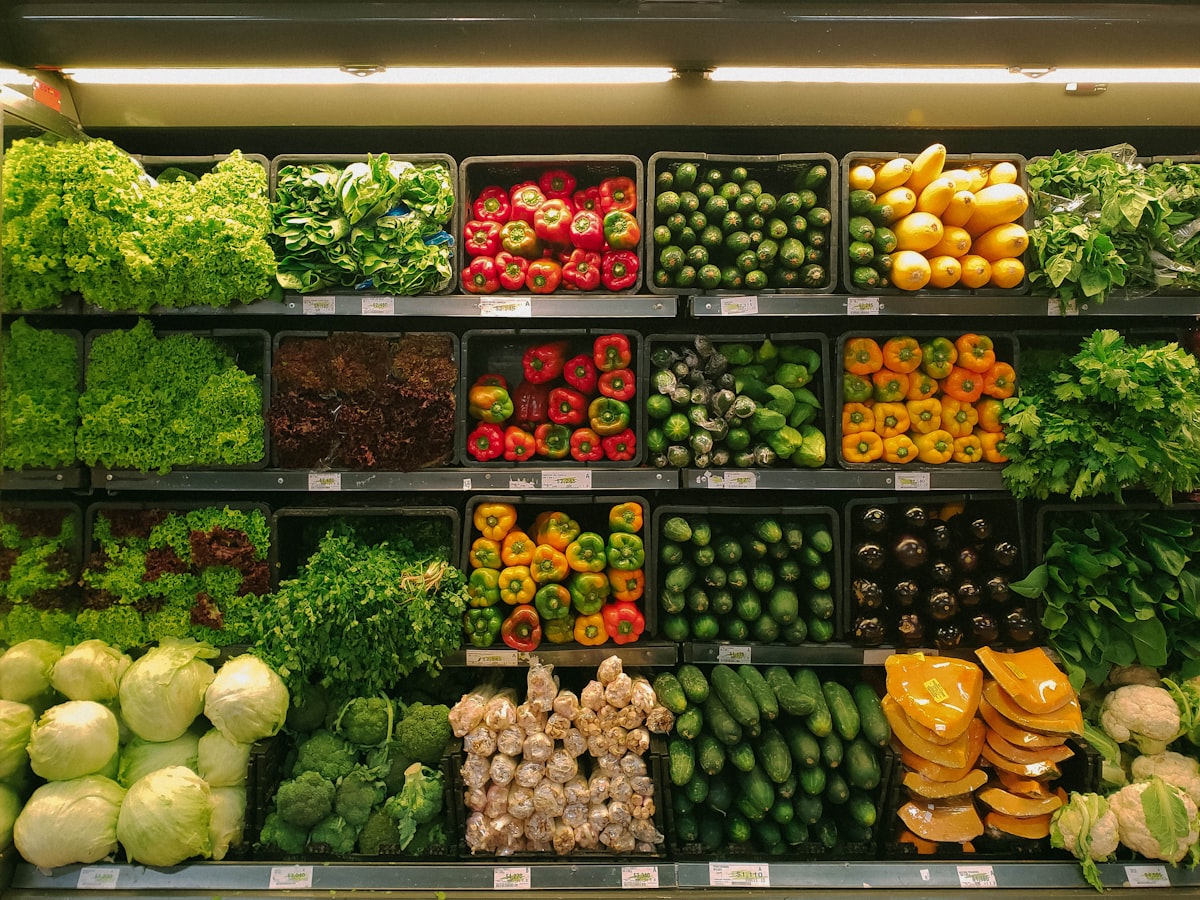
The receipt that changed how I shop was $94 for what I remember as “a few things.” Nothing on it was extravagant. It was the third trip that week, and each one had started with me walking in without a list and leaving with whatever looked good. Groceries are the easiest large expense to cut precisely because so much of the total is decided in the aisle rather than at home.
How the Store Is Designed to Make You Spend More
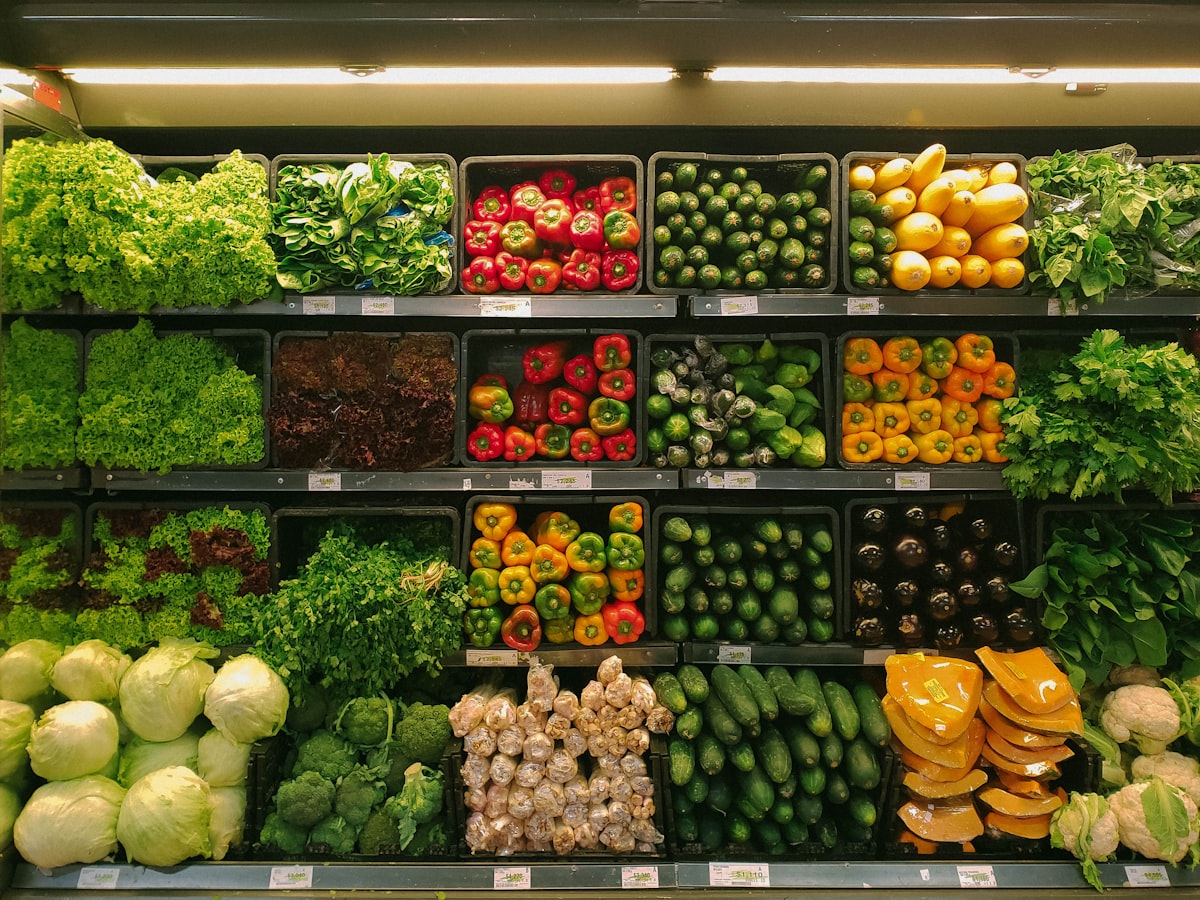
Modern supermarkets are masterclasses in behavioral psychology. The layout is not random. Essential items — milk, eggs, bread — are placed at the back of the store so shoppers walk past as many products as possible to reach them. End-of-aisle displays create the impression of deals that often aren’t. Eye-level placement commands premium pricing. The shopping cart itself was invented specifically to make it easier to put more things in it.
Understanding this doesn’t make anyone immune to it. But it does make it easier to notice when it’s happening.
Plan Before You Set Foot in the Store
1. Plan Your Meals Before You Shop
Meal planning is the single most effective way to reduce your grocery spending. Before you go to the store, decide exactly what you will eat for breakfast, lunch, and dinner for the entire week. Then build your shopping list around those meals.
When you shop with a plan, you buy only what you need, waste less food, and avoid the expensive last-minute trips to pick up forgotten ingredients. Research published in the International Journal of Behavioral Nutrition and Physical Activity confirms that meal planning is associated with significantly lower food spending and less food waste.
How to start: Every Sunday spend 15 minutes planning your meals for the week. Write your shopping list based on those meals and stick to it no matter what.
2. Shop with a List and Never Deviate
A shopping list is your most powerful tool against impulse buying. Supermarkets are carefully designed to encourage spontaneous purchases — end-of-aisle displays, strategic product placement, and enticing promotions are all engineered to get you to spend more than you planned.
Pro tip: Organize your list by store section — produce, dairy, meat, frozen foods — so you move efficiently through the store without doubling back through tempting aisles.
Choose Cheaper Products Without Eating Worse
3. Buy Store Brand Products
Store brands are typically 20 to 40 percent cheaper than their name brand equivalents, and in many cases the quality is identical. This is especially true for staple items like flour, sugar, rice, pasta, canned vegetables, olive oil, and cleaning products.
4. Use Cashback and Coupon Apps
Several apps give you cashback on groceries you were already going to buy:
- Ibotta: Offers cashback on specific products at major supermarkets.
- Rakuten: Great for online grocery orders from stores like Walmart or Target.
- Fetch Rewards: Scan any receipt from any store and earn points redeemable for gift cards.
- Flipp: Shows weekly circulars and deals from all your local supermarkets in one place.
5. Shop Seasonal Produce
Fruits and vegetables that are in season are almost always cheaper, fresher, and more nutritious than out-of-season produce.
- Spring: asparagus, peas, strawberries, spinach
- Summer: tomatoes, corn, zucchini, peaches, berries
- Autumn: apples, pumpkin, sweet potatoes, Brussels sprouts
- Winter: citrus fruits, root vegetables, cabbage, kale
Buy in Volume, but Only Where It Pays
6. Buy in Bulk for Non-Perishables
For items that don’t expire quickly, buying in bulk almost always saves money per unit. Always check the price per unit label on the shelf — not just the total price — to compare true value.
7. Reduce Meat Consumption
Simply replacing meat with plant-based protein two or three times a week can cut your grocery spending significantly. Beans, lentils, eggs, tofu, and canned fish are all excellent sources of protein at a fraction of the cost of beef or chicken.
Fix the Habits That Quietly Cost You
8. Never Shop Hungry
Shopping while hungry leads to impulse purchases, bigger portion sizes, and a cart full of snacks and convenience foods you didn’t plan to buy. Eat before you go to the store.
9. Reduce Food Waste
The average American household throws away nearly $1,500 worth of food every year. Store food correctly, use the first in first out rule, and freeze items before they go bad.
10. Compare Prices Between Stores
Discount grocery chains like Aldi, Lidl, and Walmart consistently offer lower prices than premium supermarkets on everyday staples. Do your main weekly shop at a budget supermarket and reserve premium supermarkets for specialty items.
Read the Shelf, Not the Sign
11. Check the Unit Price, Not the Total Price
The price per unit — per ounce, per gram, per sheet — is printed on the shelf label at most supermarkets and is the only meaningful comparison. A larger package isn’t always cheaper per unit. A “sale” item isn’t always cheaper per unit than the store brand alternative. Check before assuming.
12. Shop the Perimeter First
Fresh produce, meat, dairy, and bread all live on the perimeter of most supermarkets. The inner aisles are dominated by processed and packaged foods with higher markups and less nutritional value. Shop the perimeter for most items and enter specific inner aisles only for specific items on the list.
13. Use Frozen Vegetables Without Apology
Frozen vegetables are nutritionally equivalent to fresh — often more nutritious, because they’re frozen at peak ripeness rather than transported over days. They cost significantly less and produce zero waste. The stigma around frozen vegetables is entirely unfounded, nutritionally and financially.
14. Do the Main Shop at a Discount Grocer
Stores like Aldi, Lidl, and Trader Joe’s consistently offer lower prices than mainstream supermarkets. Doing your main weekly shop at a discount store and using premium supermarkets only for specialty items can reduce your grocery bill by 25 to 40 percent.

15. Set a Per-Trip Budget and Track It as You Go
Know the budget before entering the store and keep a running total while shopping. If the total approaches the limit before the list is complete, something has to go back. This constraint forces prioritization and eliminates the “it’s only a few extra dollars” mental accounting that quietly inflates grocery bills.
The Food Costs That Happen Outside the Store
A grocery bill is only part of what people spend on food. For most households the restaurant and takeout line is the larger number, and it is the one that responds fastest to a decision made at home rather than in the aisle.
16. Cook From Scratch More Often
Pre-prepared and convenience foods carry enormous markups. A homemade meal that costs $2 to $4 per serving at a restaurant costs $10 to $18. Developing a repertoire of 10 to 15 simple, fast meals eliminates most of the time argument against cooking at home.
17. Pack Lunch Instead of Buying It
Buying lunch at work costs $8 to $15 per meal. Packing lunch costs $2 to $4 per meal. Five days per week, 50 weeks per year — that difference adds up to $1,500 to $2,750 annually. This single change is one of the highest-return food savings available to working adults.
18. Make Dining Out Deliberate
Restaurant meals and takeout are the biggest driver of food overspending for most households. Reducing restaurant meals from several times per week to a deliberate once-per-week treat saves most people $150 to $300 per month.
Final Thoughts
Saving money on groceries doesn’t require extreme couponing or living on rice and beans. Start with two or three of these strategies this week and build from there. Small consistent changes in how you shop add up to massive savings over time.
Want to save even more money? Check out our guide on how to create a monthly budget that actually works and start taking full control of your finances today.
Frequently Asked Questions
How much should I spend on groceries per week?
The USDA Thrifty Food Plan averages approximately $250 per month for a single adult — about $62 per week. For a family of four, a reasonable grocery budget falls between $600 and $900 per month. If you are currently spending significantly above these figures, the strategies in this guide can help you reduce without feeling deprived.
What is the cheapest way to eat healthy?
The cheapest way to eat healthily is to build meals around whole foods that are naturally inexpensive — dried beans and lentils, oats, rice, eggs, seasonal vegetables, frozen produce, and canned fish. Cooking from scratch with simple ingredients produces better nutrition at lower cost than any other approach.
How do I stop overspending at the grocery store?
Always shop with a written list based on a meal plan, eat before you go, set a specific budget for each trip, and avoid browsing aisles that don’t contain items on your list. These structural changes reduce the number of impulse decisions you make in the store.
Is it cheaper to meal prep or buy ready meals?
Meal prepping at home is dramatically cheaper — typically three to five times cheaper per serving. A batch of homemade lentil soup that feeds four costs approximately $3 to $4 in ingredients. An equivalent ready meal costs $8 to $12 per serving.
How can I save money on groceries without coupons?
Meal planning before you shop, switching to store brands on staple items, buying seasonal produce, shopping at discount grocers like Aldi or Lidl, and reducing meat consumption in favour of beans and eggs produce far larger savings than coupon clipping alone.
Related Articles
- How to Save Money on Food: The Ultimate Guide to Cutting Your Food Budget in Half
- The Grocery Store Is Designed to Empty Your Wallet. Here’s How I Stopped Letting It.
- 20 Things to Stop Buying to Save Money Fast
- The No-Spend Challenge: How I Survived 30 Days Without Buying Anything
- 25 Frugal Living Tips That Will Save You $500 This Month
Educational content, not financial advice. This article is general information drawn from personal experience and public sources. It is not personalised financial, tax, or legal advice, and I am not a licensed financial professional. Figures tied to a specific year can change — check the primary source before acting on one. Full terms are on the Disclaimer page.